Special greetings everyone!
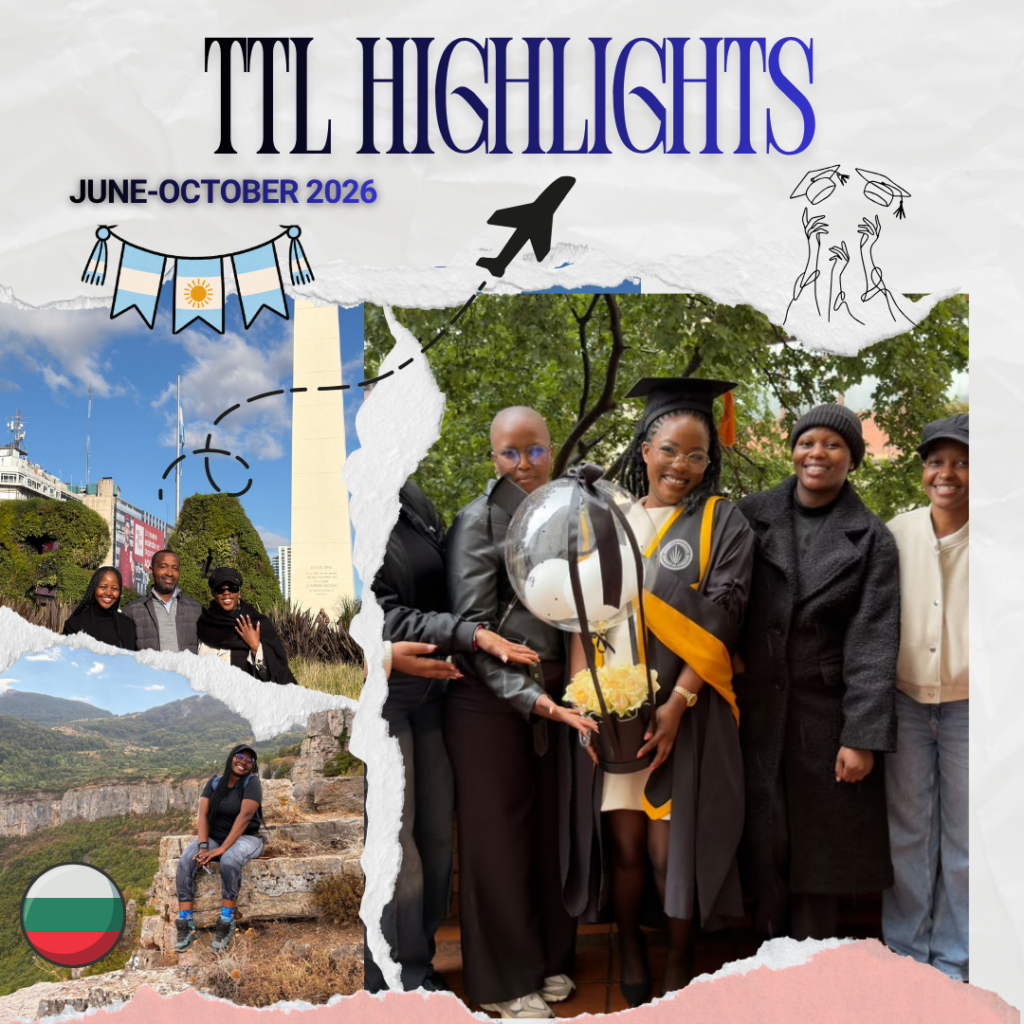
It’s been a while, hasn’t it? While our blog has been a little quiet, the science and adventures certainly haven’t! From international conferences and exciting research collaborations to new discoveries and remarkable achievements, the past few months have given us plenty to celebrate. Between June and October 2026, the Tugizimana Lab (TTL) has been making strides in advancing scientific excellence, nurturing emerging researchers, and strengthening collaborations across Africa and beyond.
So, let’s catch up on some of the highlights!
A Proud Moment for African Metabolomics
This past June, TTL attended the annual Metabolomics Society Conference in Buenos Aires, Argentina, where cutting-edge science, inspiring discussions, and international collaborations took centre stage. One of the biggest highlights was our very own PI, Fidele Tugizimana, receiving the prestigious Metabolomics Society President’s Award Medal, recognizing outstanding scientific achievements by early- to mid-career researchers. Adding to this milestone, Fidele delivered the first plenary lecture from Africa at the conference, titled “From African Biodiversity to Global Innovation: AI-Enabled Metabolomics for Plants, Natural Products, and Sustainable Futures”. His talk highlighted how Africa’s rich biodiversity, growing scientific capacity, and global partnerships, combined with AI-enabled metabolomics, can transform molecular discoveries into meaningful solutions for food security, sustainable agriculture, and human well-being.
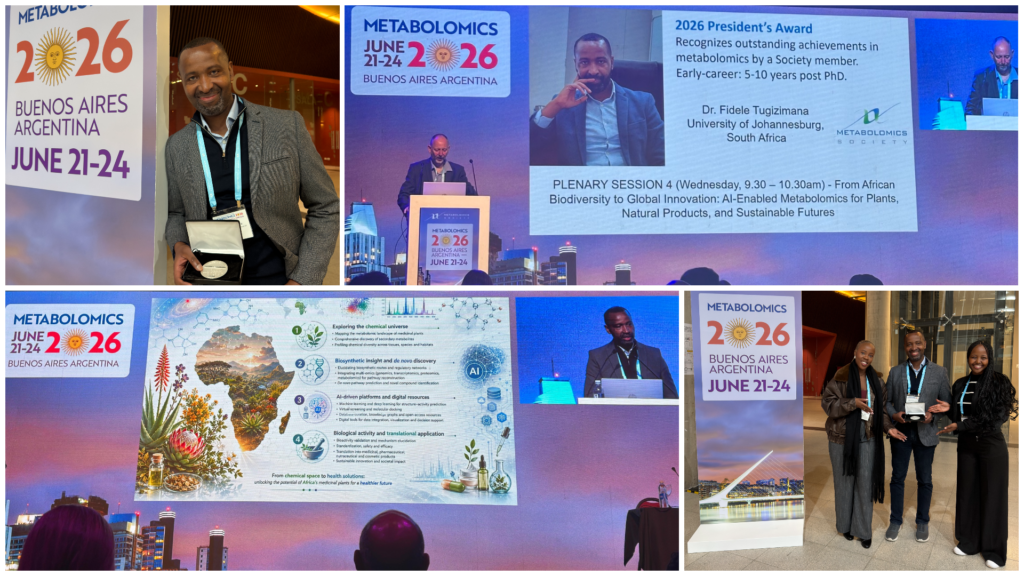
Flying the TTL flag alongside him were PhD researchers Ms Akhona Myoliand Ms Kgalaletso Othibeng, who presented their research on the chemical diversity and potential biological significance of medicinal plants using advanced analytical and computational approaches. Akhona’s conference participation was generously supported by Shimadzu South Africa.
What a proud moment for TTL and African science! With so much to celebrate, we’re already looking forward to the next Metabolomics Society Conference in South Korea in 2027!
Global Recognition for Scientific Excellence
The celebrations don’t stop there! Adding to an exciting year for TTL, our PI, Fidele Tugizimana, has received further international recognition for his scientific contributions. He features in the 2026 Stanford–Elsevier Top 2% Scientists List and has been ranked 4th globally in Metabolomics for the past five-year period by ScholarGPS. He is also recognised by Top1000Scholar, with a reported world ranking of 96 and a top 0.72% standing. Beyond these individual recognitions, these milestones reflect the collective efforts of TTL members, and collaborators, and our shared commitment to advancing impactful, innovative, and globally connected science from Africa. They also remind us of the importance of nurturing scientific talent and building research excellence that contributes meaningfully to society.
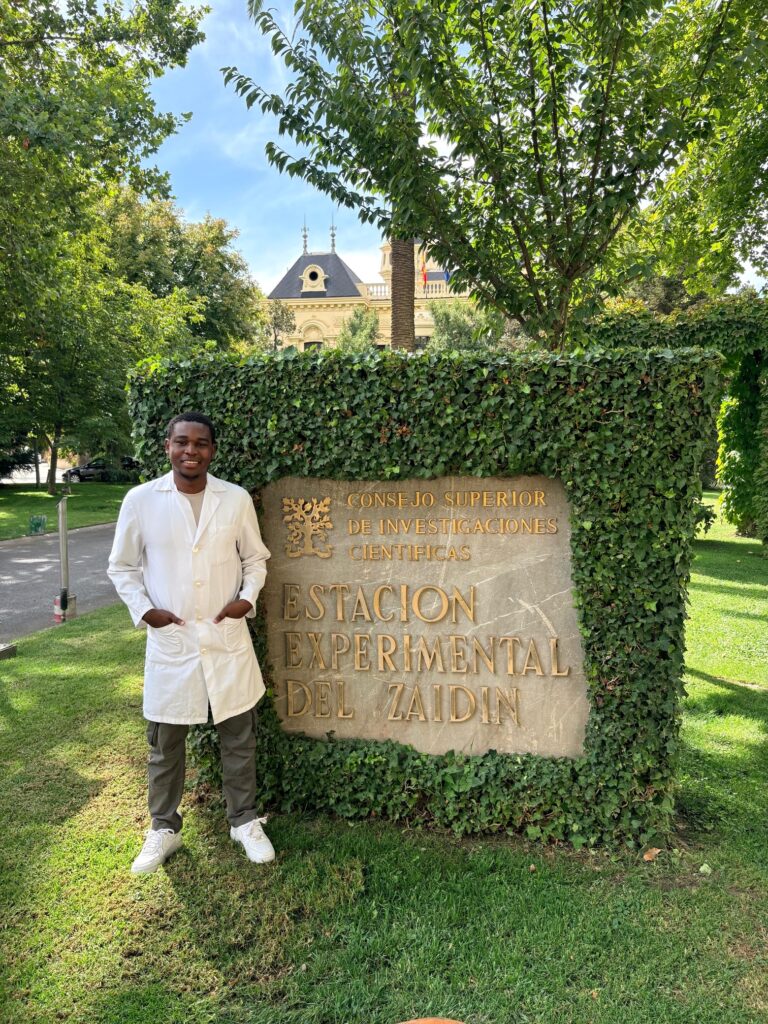
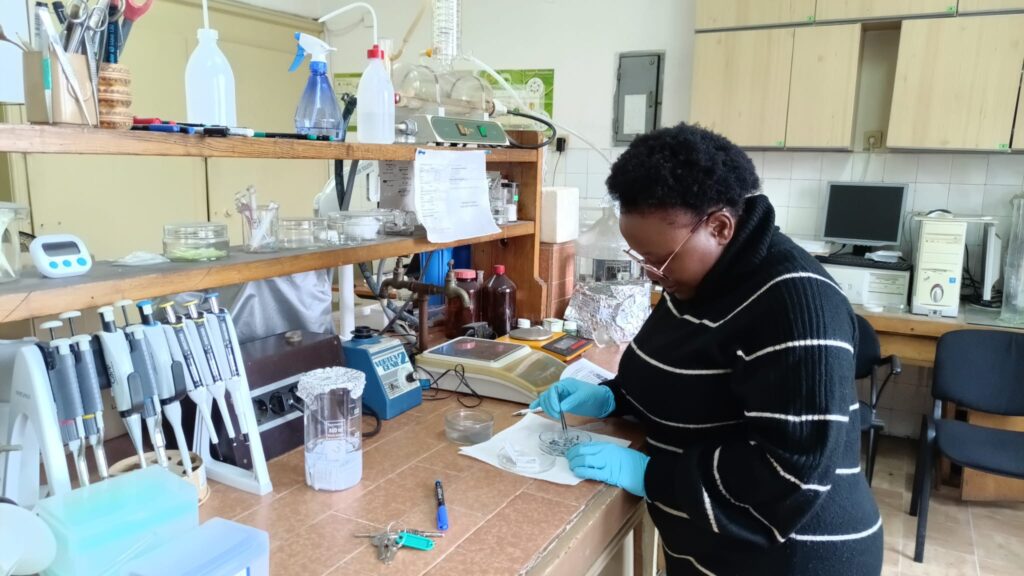
Our international research adventures continued through the CropPrime project, with Mr Musiwalo Samuel Mulaudzi and Dr Keabetswe Ncube undertaking research secondments in Europe. Musiwalo has been contributing to research at the Estación Experimental del Zaidín (EEZ-CSIC) in Spain, while Keabetswe has been working at the Institute of Plant Physiology and Genetics in Sofia, Bulgaria. Keabetswe’s research explores the potential of Laminaria extracts to protect tobacco plants against pathogen infection, alongside investigations into rosemary growth and responses to different treatments. On the other hand, Musiwalo’s project involves mapping the epigenetic landscape of plants to understand how biostimulant application influences gene regulation and the molecular mechanisms underlying plant stress responses. Both secondments are supported by the European Union through the Marie Skłodowska-Curie Actions Staff Exchanges (MSCA-SE) programme. These exchanges strengthen our international partnerships while advancing research relevant to sustainable agriculture and crop resilience. We look forward to the knowledge, new skills, and exciting discoveries our researchers will bring home!
Another Win for African Science: Akhona Joins the EMN!
A huge congratulations to Ms Akhona Myoli, who has been elected to the Metabolomics Society’s Early-career Members Network (EMN) for the 2026–2027 term, representing Africa!

The EMN connects emerging researchers across metabolomics-related disciplines, promoting scientific exchange, professional development, and global engagement. Akhona’s appointment reflects the growing visibility of African scientists and reinforces our belief that Africa’s next generation of researchers should not only participate in global scientific conversations but help shape them.
We’re incredibly proud of you, Akhona!
Celebrating Our Graduates!
The 2026 graduation season brought more reasons to celebrate as Ms Mutsawashe Blessing Dzveta and Ms Thuso Mudau obtained their MSc degrees in Biochemistry, cum laude!
Blessing’s research demonstrated the potential of computational approaches to investigate phytopathogenic fungi and support sustainable crop protection strategies. Thuso’s research explored the chemical landscape of Trichoderma, contributing to our understanding of microbial biostimulants and their potential applications in sustainable agriculture.
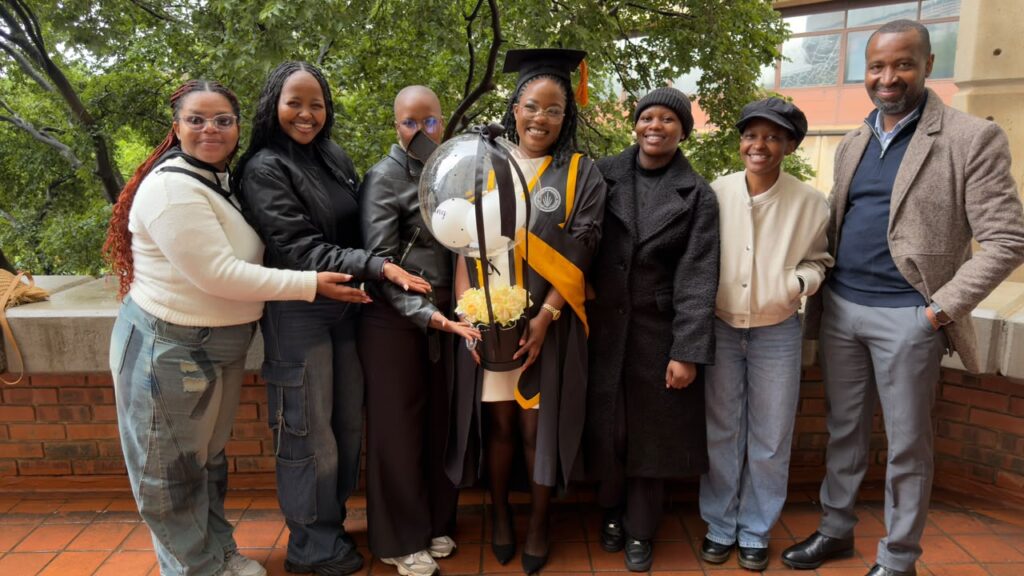
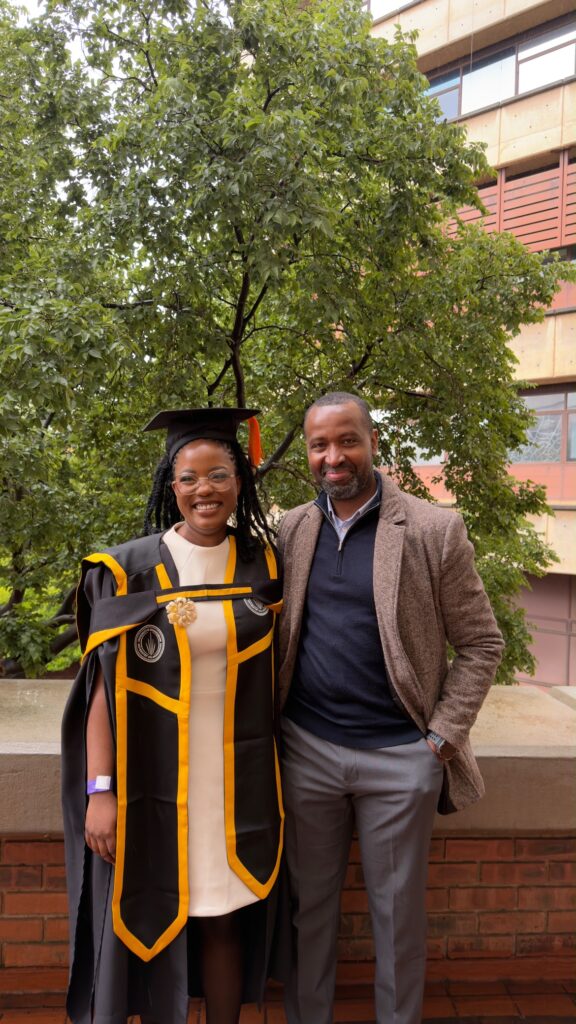
These achievements represent years of dedication, curiosity, and perseverance. At TTL, mentoring emerging scientists is central to our mission, and every graduation is an investment in Africa’s scientific future. Congratulations to our graduates! We can’t wait to see what comes next.
From Molecular Discoveries to Societal Impact: Our 2026 Research Outputs
Behind every scientific milestone lies the research that drives our mission. Our 2026 research outputs reflect TTL’s commitment to scientific excellence, innovation, collaboration, and science that serves society. Spanning African medicinal plants, natural products, indigenous foods, microbial biostimulants, environmental bioremediation, and human and animal health, our work demonstrates the power of metabolomics and interdisciplinary research to address real-world challenges. By integrating advanced mass spectrometry, computational metabolomics, cheminformatics, and artificial intelligence (AI), we aim to transform complex molecular data into meaningful biological insights and innovations. From exploring the chemistry of African indigenous foods and medicinal plants to advancing sustainable agriculture, environmental restoration, and health research, our scientific efforts contribute to the United Nations Sustainable Development Goals (SDGs) and the aspirations of the African Union’s Agenda 2063. Equally important, our research thrives through national, Pan-African, and international collaborations, bringing together diverse expertise, strengthening scientific capacity, and advancing African-led contributions to global knowledge. Our growing portfolio of peer-reviewed publications and preprints reflects this shared vision: advancing science from Africa, for Africa, and for the world.
Acknowledging Our Research Partners and Supporters
Our scientific journey would not be possible without the invaluable support of our funding partners and collaborators. We gratefully acknowledge the National Research Foundation (NRF), the European Union through its Horizon Europe programmes, the Research Foundation – Flanders (FWO), and Omnia Group Ltd, whose support contributes to advancing our research, developing scientific talent, and strengthening national and international collaborations. Together, these partnerships help us turn scientific curiosity into discoveries with meaningful societal impact.
Looking Ahead: Building on Excellence, Driving Impact
What an exciting journey these past few months have been!
From international scientific recognition and new discoveries to global collaborations and the achievements of our emerging researchers, June–October 2026 has reminded us of what can be accomplished through curiosity, dedication, teamwork, and a shared vision. These milestones are not simply achievements to celebrate; they inspire us to aim higher, explore new scientific frontiers, strengthen collaborations, and continue translating our research into knowledge and innovations that benefit society. Above all, they reinforce our commitment to advancing scientific excellence, nurturing the next generation of African scientists, and contributing meaningfully to the global scientific landscape. To all TTL members, collaborators, research partners, and everyone supporting TTL, thank you for being part of this journey. Your contributions make these achievements possible!
And we’re not done yet! There’s still more to celebrate before the year ends, so stay tuned for our 2026 year-end blog, where we’ll share more discoveries, milestones, and exciting developments.
Until then, stay curious, keep exploring, and keep pushing the boundaries of science!
— The Tugizimana Lab Team
Explore some of our selected 2026 publications below:
Published journal articles and book chapter
- Mhlongo et al. (2026). Digitized liquid chromatography-mass spectrometry metabolomics to explore chemical space of Acanthospermum glabratum (DC.) wild. Results in Chemistry. https://doi.org/10.1016/j.rechem.2026.103370
- Cantu et al. (2026). Fermentation-induced molecular remodeling in African indigenous tubers: cassava and cocoyam. Food Chemistry. https://doi.org/10.1016/j.foodchem.2026.151458
- Ncube & Tugizimana (2026). From Microbiomes to Precision Livestock Nutrition: An AI-Enabled Policy Roadmap for Africa. Agriculture. https://doi.org/10.3390/agriculture16161718
- Nwogu-Chigozie et al. (2026). Functional metabolite signatures reveal biochemical recovery trajectories in oil-polluted soils undergoing bioremediation. Biodegradation. https://doi.org/10.1007/s10532-026-10355-1
- Aruwa et al. (2026). Integrated computational metabolomics and cheminformatic profiling of Pseudomonas aeruginosa LasR modulators from hybrid sunflower seed metabolites. European Food Research and Technology. https://doi.org/10.1007/s00217-026-05330-2
- Mulaudzi et al. (2026). Mapping the Chemical Language of Bacillus Consortia: Toward the Rational Design of Microbial Biostimulants. Microbial Ecology. https://doi.org/10.1007/s00248-026-02885-1
- Mudau et al. (2026). The chemical blueprint of Trichoderma for next-generation microbial biostimulants. Metabolomics. https://doi.org/10.1007/s11306-026-02531-4
- Asia et al. (2026). The global HIV metabolome cannot be defined without Africa. The Lancet Regional Health – Africa. https://doi.org/10.1016/j.lanafr.2026.100142
- Myoli et al. (2026). Computational metabolomics reveals flavonoid architectures underlying species-specific chemical identity in medicinal Plectranthus. Metabolomics. https://doi.org/10.1007/s11306-026-02546-x
- Lephatsi et al. (2026). Emerging Computational Strategies for Annotating Potential Active Compounds in Medicinal Plants: An Illustration Using Helichrysum splendidum. In Computational Systems Biology for New Chemical Entities Bioprospection. https://doi.org/10.1201/9781003645382-2
Preprints ( manuscripts under review)
- Dzveta et al. (2026). Comparative metabolomics charts distinct chemical repertoires across phytopathogenic fungi. Manuscript under review. Preprint DOI: 10.21203/rs.3.rs-10816278/v1
- Macu et al. (2026). Metabolomics-Guided Green Nanomedicine: Phytochemical-Mediated Metal Nanoparticles for Precision Cancer Therapy. Manuscript under review. Preprint
- Mannochio-Russo et al. (2026). Community curation of microbial metabolites enables biological insights of metabolomics data. Manuscript under review. Preprint DOI: 10.64898/2026.01.24.701521
Written by: Fidele Tugizimana, Faith Phahlane and Akhona Myoli